ADHD & sleep
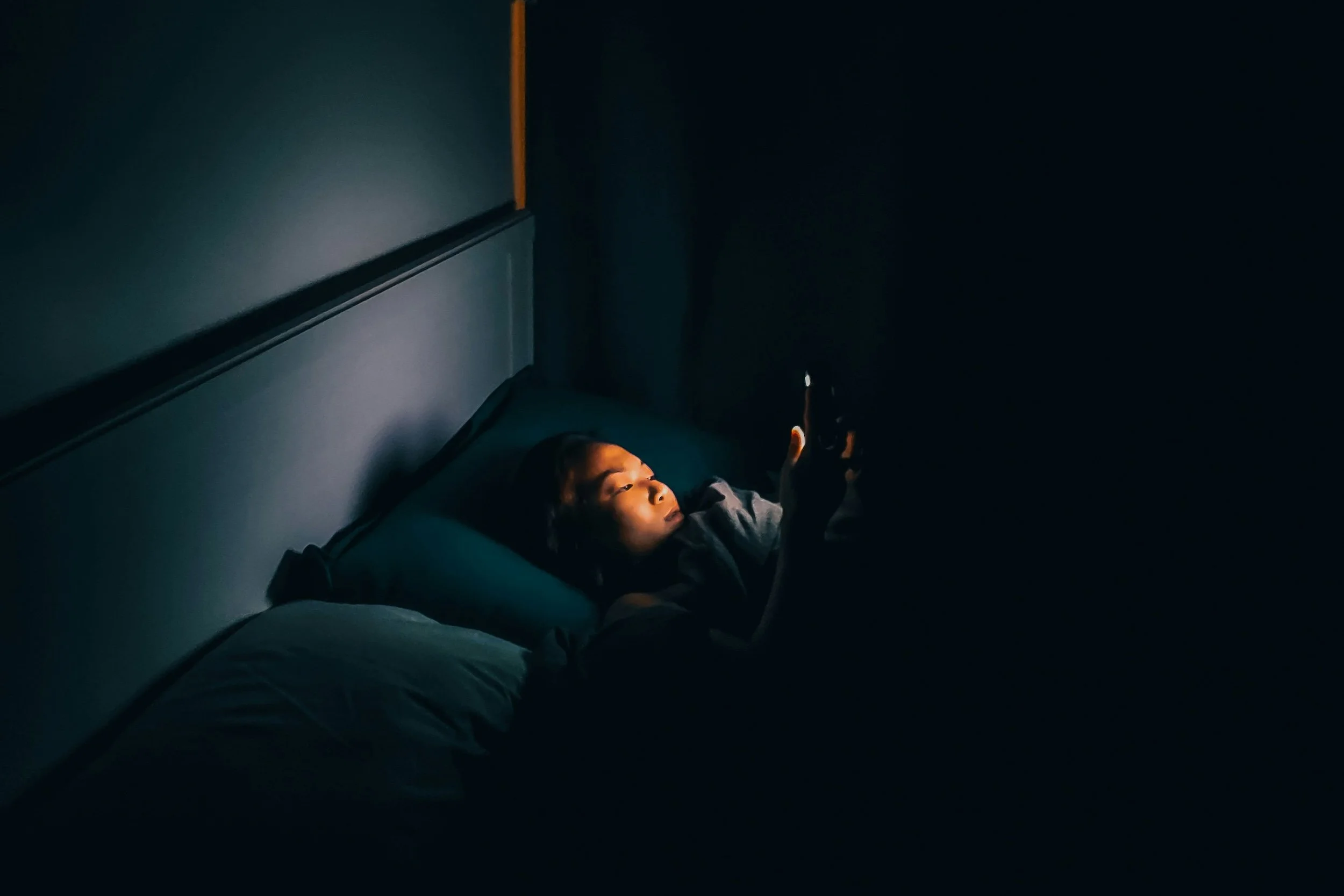
Why we should all wake up to good sleep hygiene
Fun fact: research suggests that insomnia and sleep disturbances affect up to 80% of people with ADHD. In the UK alone that’s somewhere around two million people who are thought to be suffering with sleep issues on top of dealing with the daily ups and downs of living with ADHD. And it’s a situation that could be far more significant than most of us realise.
When anyone is regularly sleep deprived their health takes a hammering that goes way beyond feelings of tiredness. Blood pressure can spike; the immune system can weaken; and appetite control can go haywire leading to staggering weight gain over time. The list goes on.
But it’s the cognitive side of things that’s just as problematic. This includes…
Difficulties with concentration and focus
A decrease in performance of the working memory
Trouble controlling emotions including feelings of stress and anxiety
Severe mood changes, which can precede the onset of depression
It’s hard to ignore how uncannily this list of sleep-related issues looks and sounds like a run down of some of the classic symptoms of ADHD. So, when ADHD is already present, it’s both cruel and ironic that one of its common symptoms (trouble sleeping) can so easily exaggerate many of the other aspects of ADHD in turn.
The dual systems of sleep
Day in, day out, almost every mammal dances to the beat of their own circadian rhythm – the body’s internal (roughly) 24-hour clock that regulates sleep-wake cycles, hormone release, digestion and temperature.
Central to this natural scheduling tool is the brain’s production of melatonin – a hormone that’s inhibited by light and promoted by darkness, usually reaching high enough amounts in the evening to bring on sleepiness at night.
Our level of melatonin alone isn’t what sends us to sleep though; we need to be sufficiently tired in the first place for that to happen, and so the circadian rhythm works in concert with something called the ‘homeostatic sleep drive’ – a second system reflecting a build up of physical and mental tiredness throughout the day.
The longer we’re up and about and doing our thing, the greater our homeostatic sleep drive becomes. And when that’s nicely in step with high levels of melatonin, the two eventually combine to bring about sleepiness – and slumber ensues.
Trouble is, these two systems aren’t always in perfect cahoots with one another. Especially when they reside inside an ADHD brain.
Jet lag without the jolly
According to studies, the reason those 80% of ADHDers struggle with their sleep is because they’re living with ‘circadian rhythm disorder’. Their internal clock is delayed – often by up to ninety minutes – and so even when they’ve been awake long enough to be tired (homeostatic sleep drive), their melatonin levels (circadian rhythm) haven’t yet built up sufficiently to send them to sleep.
Many of these folks get a second wind in the evening, and so go to bed – and fall asleep – later than is considered typical. Which would be fine if it weren’t for the unavoidable existence of work and/or school routines demanding that they’re ‘up-and-at-‘em’ when their bodies and minds are far from fully refreshed.
The stimulant medications taken by many an ADHDer can further complicate the issue – sometimes shifting sleep-wake patterns if taken too late in the day. Caffeine too, of course, has the ability to disrupt the natural order of things. As does sugar. And late night scrolling. And the awful blue light that comes with that. Not to mention those untameable negative thought patterns that do their best to prevent so many ADHD folks from falling asleep.
See the light (at the right time)
There are, however, several measures that even the most sleep-deprived ADHDers should add to their sleep hygiene routine. Often with surprising results…
Exercise
A bout of moderate daily exercise will do wonders for your brains ability to produce melatonin. And if that exercise takes place in bright morning light, you’ll more than treble the positive effect.
Have a nighttime ritual
Sticking to the same routine is a great way to signal to your body that’s it’s getting close to sleep time. Have a bath, meditate or read a (fiction) book. But whatever you do, stay off your device.
Avoid screens before bed
Late night doomscrolling is an arch enemy of your sleep-wake cycle. The stimulation, the social media addiction and the blue light will always conspire to rob you of a good night’s sleep.
Dim the lights
Remember, melatonin is promoted by darkness and inhibited by light. Up your levels by keeping evenings on the dim side, recreating our evolutionary past when we approached a state of slumber by watching the sun go down.
Is your ADHD keeping you from sleeping well? Or are sleep issues making you feel your ADHD more? In all likelihood it’s a bit of both. And that’s a chicken-and-egg conundrum that’ll keep the experts busy for a while longer before it’s fully understood.
REFERENCES
Luu B and Fabiano N (2025) ADHD as a circadian rhythm disorder: evidence and implications for chronotherapy. Front. Psychiatry 16:1697900. doi: 10.3389/fpsyt.2025.1697900
IMAGE: Tim Durgan (Unsplash)